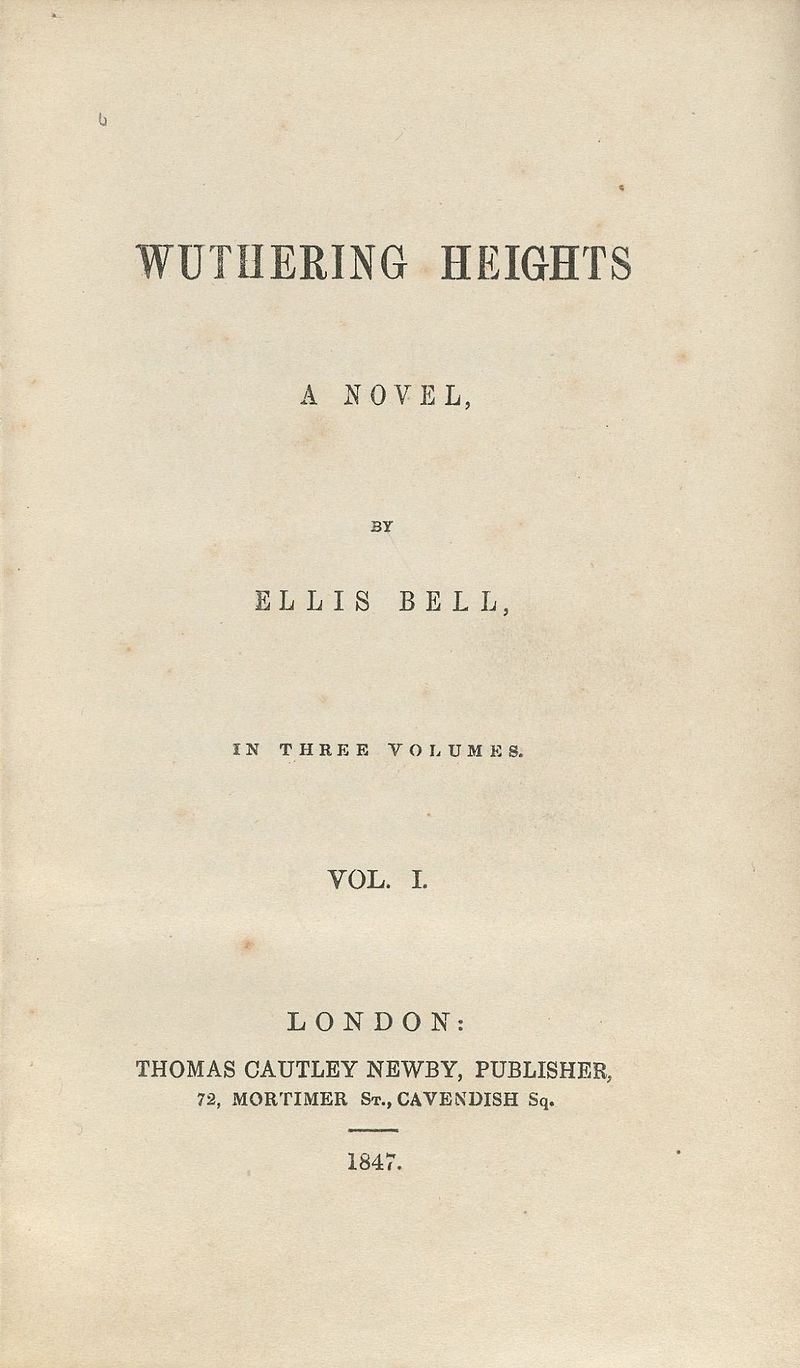
The score(s) next to each publication’s review and the average rating is an interpretation of the reviews by Literature’s Pretty Long History.
Critics:
“Wuthering Heights is a strange, inartistic story. There are evidences in every chapter of a sort of rugged power—an unconscious strength—which the possessor seems never to think of turning to the best advantage. The general effect is inexpressibly painful. We know nothing in the whole range of our fictitious literature which presents such shocking pictures of the worst forms of humanity.”
Supplemental Notice(s)
“Of the work now before us it may be remarked that whilst it is greatly superior to Agnes Grey, it falls very short of the genius manifest in Jane Eyre, and the rugged power discernible in Wuthering Heights.” — The Atlas (August 12, 1848)
“The tale to which we have more particularly alluded is but a fragment, yet of colossal proportion, and bearing evidence of some great design. With all its power and originality, it is so rude, so unfinished, and so careless, that we are perplexed to pronounce an opinion on it, or to hazard a conjecture on the future career of the author. As yet it belongs to the future to decide whether he will remain a rough hewer of marble or become a great and noble sculptor.”
“The success is not equal to the abilities of the writer; chiefly because the incidents and persons are too coarse and disagreeable to be attractive, the very best being improbable, with a moral taint about them, and the villany not leading to results sufficient to justify the elaborate pains taken in depicting it. The execution, however, is good: grant the writer all that is requisite as regards matter, and the delineation is forcible and truthful.”
“THE volumes of fiction that some time since appeared under the name of Bell, with three several praenomens, had such a generic resemblance to one another that reviewers remarked it. The first and most striking affinity was of substance. Each of the Bells selected the singular both in character and incident.” — The Spectator (July 8, 1848) and Littell’s Living Age (August 26, 1848)
Average Rating
Latest